

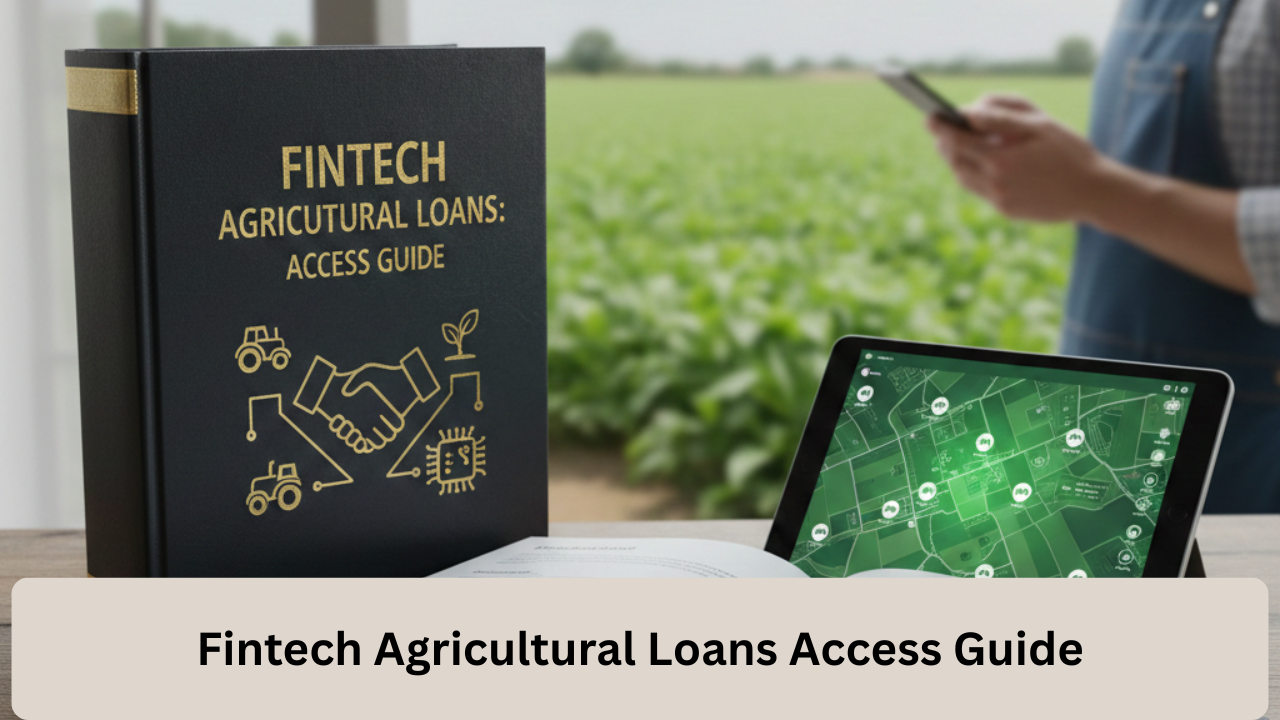
Rural areas have traditionally been predominantly dependent on the agriculture industry as the primary provider of jobs and food. However, it is usually the smallholders and farmers all over the world who are unable to access cheap and fast loans. Farming is normally viewed as a risky venture by traditional banks due to the weather conditions, fluctuation of prices, and absence of collateral.
Financial technology (fintech) has emerged as a powerful instrument in the past few years and has transformed the manner which agricultural loans and other financial services conducted. This article discusses how fintech used to benefit farmers, why farmers should spend their money wisely, and what types of financial services are the most significant to keep the business growing in the long term in the agricultural sector.
The way Fintech Benefits the Agricultural Industry
Fintech transforms farming by linking farmers with banks and other financial institutions. The agricultural funding process is undergoing a transformation in the hands of fintech businesses, which are assessing, issuing, and monitoring funding using digital solutions, mobile services, and data-driven technologies.
Among the most significant things fintech has done is make credit access easier for people. Most fintech lenders consider, among other things, satellite images, history of transactions, cell phone usage, and agricultural production data to determine whether a person is creditworthy. In this manner, farmers with unofficial credit history or collateral can access loans. This provides the rural populations who are underserved with access to money that was previously inaccessible to them.
Things are also faster and more efficient with Fintech. Whereas weeks were spent filling the loan application form, nowadays you can fill it online a matter of a few minutes. The approvals and payments significantly improved. In farming, this very essential, as you have to purchase seeds, fertilizers, or tools at the appropriate time of year to be sown.
The Significance of Financial Management in Agriculture
Due to the risks that farming entails, proper financial management is very essential. The income of farming is normally seasonal and highly reliant on external influences such as weather, pests, and prices of the market. The same cannot said about most other sectors. Unless farmers are able to organize their finances, they may go into debt and instability fast.
When the farmers manage their money well, they can use their resources better. The income and expenses help farmers determine which activities or crops they profit from and which consume resources. The information will aid in planning, reducing costs, and making wise investment decisions, all of which result in increased productivity and sustainability over the long run.
In addition, proper management of money also makes you stronger. Farmers with excellent financial records and money savings can cope with unforeseen challenges such as crop failure or low prices better. Such fintech tools as bookkeeping software and automated spending calculators assist farmers in managing their finances, even though they might not be very familiar with financial management.
The four Prime Financial Service types
The current agricultural ecology requires more than loans to enable farmers to perform well. They need a range of financial services. These services are interdependent to aid the production, manage hazards, and stabilize the income.
- These services include lending and credit services.
Credit remains the most needed financial service for the farmers. Fintech agricultural loans are provided to meet some needs on a farm, including short-term operating capital to get inputs or long-term capital to acquire machinery and infrastructure. Digital financing providers often allow you to set payment dates when you want to pay back the loan as you harvest, which is more suited to agricultural cash flows. - Savings and Deposit Options
The farmers save money when they have much money to spend and when they are not making money. Savings accounts that based on fintech and can occasionally accessed via mobile phones encourage regular saving due to their low minimum requirements and ease of access. The tools can ensure farmers are saving money and eliminating the necessity to borrow high-interest loans for any emergency. - Protection against risk and Insurance.
Ag farm insurance gives farmers a chance to cover the risks, such as crop losses, poor weather, or loss of livestock. Fintech now enables small farmers to access affordable microinsurance products tailored to their specific needs. New concepts like weather-indexed insurance utilize real-time data to automatically trigger payouts. This accelerates the payments and reduces the claims disputes. - Payment and transaction services.
The availability of the digital payment services simplifies the process of doing business between farmers, buyers, suppliers, and lenders. Online systems of payments and mobile wallets reduce the risks of working with cash and record digital transactions. Afterwards, one can use these records to confirm an individual’s creditworthiness, thereby starting a positive cycle of financial inclusion.
Preparing long-term financial projections for farmers is essential.
The fintech agricultural loans are transforming the manner in which farmers obtain funds, how they approach risks, and how they plan. Fintech can assist farmers in overcoming the traditional challenges and engage more deeply with the formal financial system through incorporating the new technologies with customized financial services.
When financially managed well and with a large variety of services, including credit, savings, insurance, and payments, the farmers can make businesses more stable and productive. Fintech, as it continues to transform, will only increase in terms of facilitating sustainable agriculture and rural prosperity.