

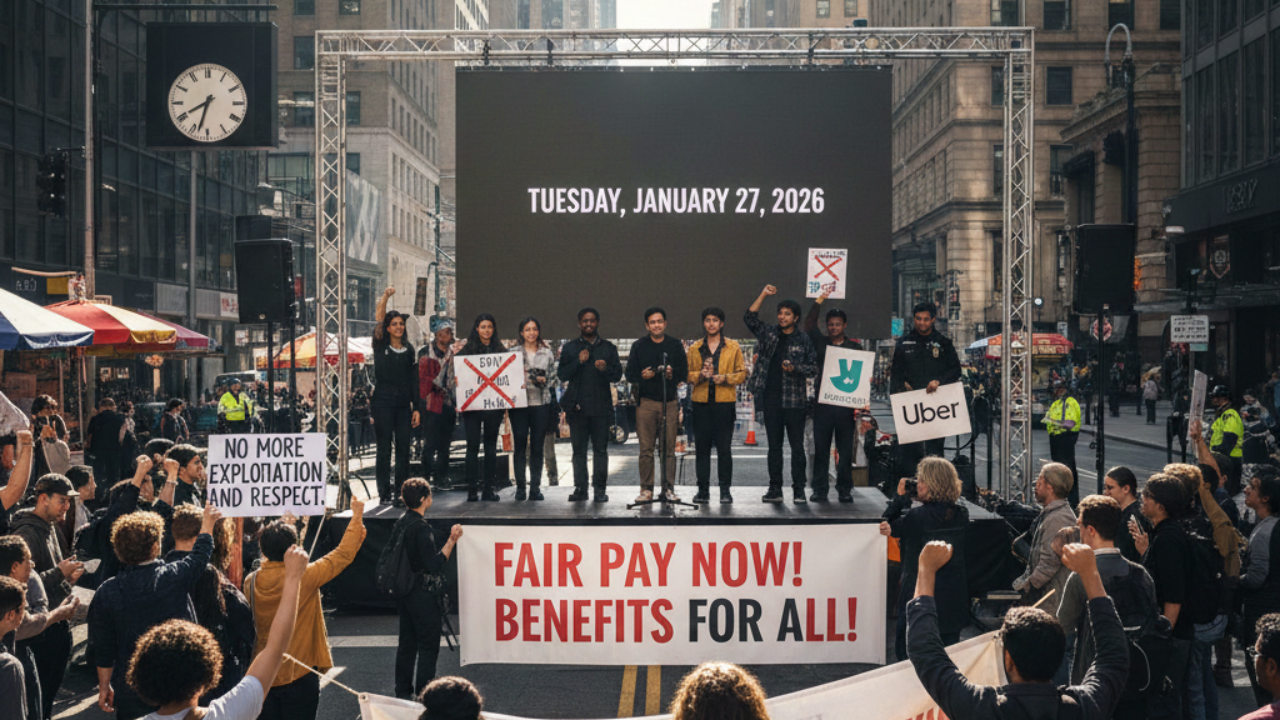
With the growth of the gig economy, it becoming more apparent that flexibility cannot considered sufficient to guarantee the long-term worker’s well-being. A lot of gig workers experience unreliable incomes, irregular working hours, and absence of formal employment in traditional labor markets. All these difficulties demonstrate the necessity of more specific rules and more powerful support structures that can ensure the safety of independent workers.
Lack of job security is one of the greatest issues. Gig workers tend to cling to the ebb and flow of demand, algorithms used by the platform or who the client is to have a steady income. They do not even have a minimum wage or protection against fired without any notice, as opposed to the conventional employees. This financial instability may result in financial strains and render long-term planning challenging.
The other urgent problem is the inability to access the necessary benefits. Most gig workers lack health insurance, paid leave, retirement benefits, and worker compensation. Without benefits, both economic and personal vulnerability can occur in instances of sickness, accidents, or unforeseen situations. Since gig work is increasingly becoming more popular, the necessity to have portable and inclusive benefits increases exponentially.
Getting to Know the Gig Economy
Online platforms often make it viable to have people working in the gig economy, which is short-term, on-demand, and flexible job setups. The independence and control of work-life balance are available to gig workers because they have control over the time of completing their work. It believed that this freedom good, as people make more money and have an opportunity to work different positions or work around their personal duties.
However, in the majority of cases, gig workers are not employees; they are independent contractors. This implies that they do not always enjoy equal employment protection as other employees. This disparity in the nature of work performed and the deprivation of rights in the same breath has elicited debates and amendments in laws throughout the entire globe.
Key Issues that Gig Workers Experience
Gig workers lack job stability, which is one of their biggest problems
Gig employees do not have a schedule or a regular salary. Their compensation determined by the amount of work available, the workings of the platform or the availability of the client. They can impacted significantly in their lifestyles by slow seasons, changes in the economy, or fines imposed by the platform.
Limited Access to Benefits
The health insurance, paid leave, retirement, and disability coverage are some of the benefits that ordinary workers receive. They are often not provided with any of these benefits to gig workers, so they left exposed in terms of finances in case of sickness, maiming, or an emergency.
Responsibility According to Algorithms
There are numerous gig systems where people automatically monitored in terms of their doing well and assigned tasks or punished. Employees cannot challenge poor decisions such as the closure of their accounts due to the fact that such operations are not always very clear.
Legal Status Is Not Clear
Laws in many nations have a hard time keeping up with gig patterns that change often. Because gig workers aren’t always clearly defined, they typically can’t get labor rights like minimum pay, the right to join a union, or protections for their safety at work.
Fair pay and protection of wages are important rights for gig workers
Gig workers should paid fairly for the time, effort, and skill they put in. Many governments want to set minimum pay rules so that gig workers may make a living, even when they work through flexible platforms.
Clear Contracts
It is important for platforms, clients, and labor to have clear, fair, and easy-to-understand agreements with each other. A solid contract should spell out who responsible for what, how much they will paid, how to settle disagreements, and how to end the contract.
Safe Places to Work
Gig workers, whether they drive people, transport goods, or work online, require safe places to work. This includes protection from harassment, dangerous places, unreasonable requests, and algorithms that aren’t safe.
The right to keep your data private
Gig workers have a lot of data as a result of apps and other digital engagements. They entitled to understand the ways their information collected, used, and distributed. Law is now demanding more data disclosure and safety in multiple aspects.
Workplace Health and Safety and Stability over the Long Term
To create a sustainable and fair workforce, the rights of gig workers must be safeguarded. Therefore, it is crucial that gig platforms, governments, and the workers themselves collaborate to ensure comprehensive protections across all aspects of gig work. In particular, clear policies on payments, social benefits, safety training, and channels for collective representation are essential components of a fair and equitable system.
Providing gig workers with information about their rights and legal protections and resources will lead to financial stability and lower the risks of exploitation, as well as lead to a healthier work environment. An active attitude to worker rights is advantageous not only to individuals but also helps to increase trust and accountability in the sphere of the gig economy, which is the key to long-term development and sustainability.